

4 Types of Home Renovation That Maximize ROI (Expert Guide)
- January 13, 2026
- 0
Not all upgrades pay off. Discover the 4 types of home renovation that boost property value and which "luxury" projects usually lose money. Read now.




9621 Agnes Crossing, Lake Suzanneview, New Mexico Island 84604-9295.

You love your home, but it’s starting to feel outdated, cramped, or simply “lived in.” You’re ready to renovate, but you’re paralyzed by the horror stories: projects running double over budget and “investments” that add zero value to the appraisal price.
The truth is harsh—not all renovations are created equal. Spending $50,000 on a luxury pool might only add $20,000 to your home’s resale value, effectively burning $30,000 of your hard-earned equity. If you don’t understand the difference between a “Lifestyle Upgrade” and a “Capital Improvement,” you are gambling with your net worth.
As someone who has analyzed market data across hundreds of properties, I’m here to tell you there is a formula to this. By categorizing your project into one of the four distinct types of home renovation, you can predict the financial outcome before you swing the first hammer.
What are the 4 types of home renovation?
Also known as: The “Unsexy” Essential
These are the projects you have to do, not necessarily the ones you want to do. While they rarely increase the “wow factor,” ignoring them destroys your home’s value faster than any other factor.
Common Projects:
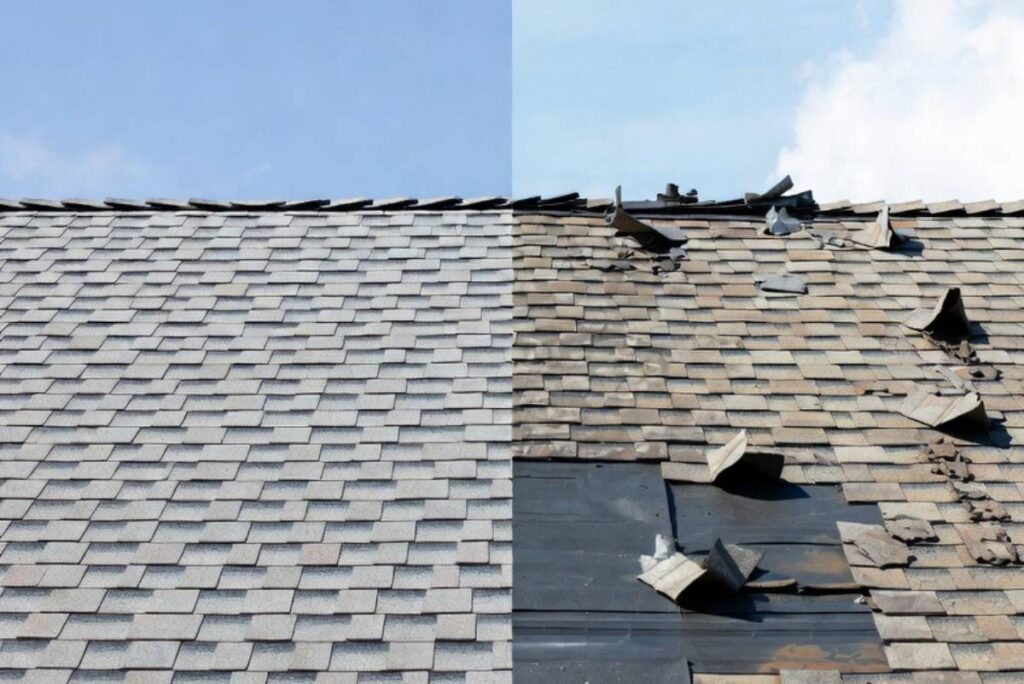
The ROI Reality: Think of this as value retention rather than value addition. This mindset is particularly critical if you are living in old buildings, where vintage charm often hides expensive structural necessities. Buyers expect a roof that doesn’t leak. If you spend $15,000 on a new roof, your home value doesn’t jump $15,000—but if you don’t do it, your home value might drop by $30,000.
PRO TIP: The “Invisible” Sell
If you are selling soon, market these upgrades aggressively. A “New HVAC (2025)” warrants a bold mention in your listing. It signals to buyers that the house has been “loved” and reduces their fear of hidden costs.
Also known as: The “Face-Lift”
If you are looking for the highest percentage Return on Investment (ROI), this is your sweet spot. These renovations play on buyer psychology. They make the home feel new, clean, and modern without the massive expense of moving walls.
Best ROI Projects:
Why It Works:
Most buyers lack imagination. They cannot see past purple walls or shag carpet. By neutralizing the aesthetic, you remove friction from the buying process.
| Project | Est. Cost | Est. ROI |
| Entry Door Replacement (Steel) | $2,000 | ~90-100% |
| Garage Door Replacement | $4,000 | ~95% |
| Minor Kitchen Facelift | $15,000 | ~85% |

Also known as: The “Heavy Lifting”
These are major renovations that alter the layout, function, or size of the house. These carry the highest price tags but also significantly raise the “ceiling” of your home’s appraisal value.
Key Projects:
The Danger Zone: Be careful not to over-renovate. If you install a chef’s kitchen with a $10,000 Wolf range in a starter home neighborhood, you will not get that money back.
Expert Insight: The 5-10% Rule
A kitchen renovation should typically cost between 5% and 10% of your home’s total value. If your home is worth $400,000, keep the kitchen budget capped at $40,000. Spending $80,000 puts you at risk of negative returns.
Regional Spotlight: The “Heritage” Factor Real estate is hyper-local, and in some premium markets, preservation pays better than modernization. A prime example is Heritage Restorations and Renovations in Sydney.
In historic suburbs (like Paddington or Balmain), strictly modernizing a home can actually lower its value. The highest ROI comes from a delicate balance: painstakingly restoring the Victorian or Federation facade (Type 1) while opening up the rear of the home for modern, open-plan living (Type 3). If you are in a heritage zone, “cookie-cutter” renovations are equity killers.
Also known as: The “Money Losers”
I call these “Money Losers” only in a financial sense. If a swimming pool brings your family joy for 10 years, that is a fantastic “emotional ROI.” However, strict financial data shows these projects rarely pay for themselves upon resale.
Common Lifestyle Projects:
Why the ROI is Low:
These are highly specific tastes. A pool requires maintenance that many buyers view as a burden, not a benefit. A garage converted into a gym removes a parking spot, which actually lowers the value for many buyers.

Before you sign a contract, you must check the “Comps” (Comparables).
If every house on your street is selling for $300,000, and you renovate your home until it requires a sale price of $450,000 to break even, you have over-capitalized. You effectively own the best house in the wrong neighborhood. The appraisal will come in low, and banks won’t lend buyers the full amount to buy your home.
The Golden Rule: Aim to be slightly better than the average home in your neighborhood, but never the most expensive one.
Renovating is a balancing act between your current happiness and your future financial security.
If you plan to stay in your home for 15+ years, Type 4 (Lifestyle) renovations are justified—amortize the cost over years of memories. However, if you plan to sell in the next 3-5 years, stick strictly to Type 1 (Basics) and Type 2 (Cosmetic), with careful consideration of Type 3 (Value-Add) only if the market data supports it.
Ready to start? Don’t pick up a hammer until you’ve picked up a calculator. Assess your home’s current value, check your neighborhood ceiling, and choose the renovation type that aligns with your timeline.