

What Is the Best Material for a Plant Trailer?
- February 14, 2025
- 0
Let’s explore the commonly used materials, their benefits, and their drawbacks to help you make an informed choice.




9621 Agnes Crossing, Lake Suzanneview, New Mexico Island 84604-9295.

When choosing a plant trailer, selecting the right material is crucial to ensuring durability, efficiency, and long-term performance. Plant trailers play an essential role in transporting heavy machinery, such as skid steers, excavators, and other construction equipment.
The material used in their construction significantly affects their weight, strength, corrosion resistance, and cost.
Therefore, determining the best material for a plant trailer is a vital decision. Let’s explore the commonly used materials, their benefits, and their drawbacks to help you make an informed choice.
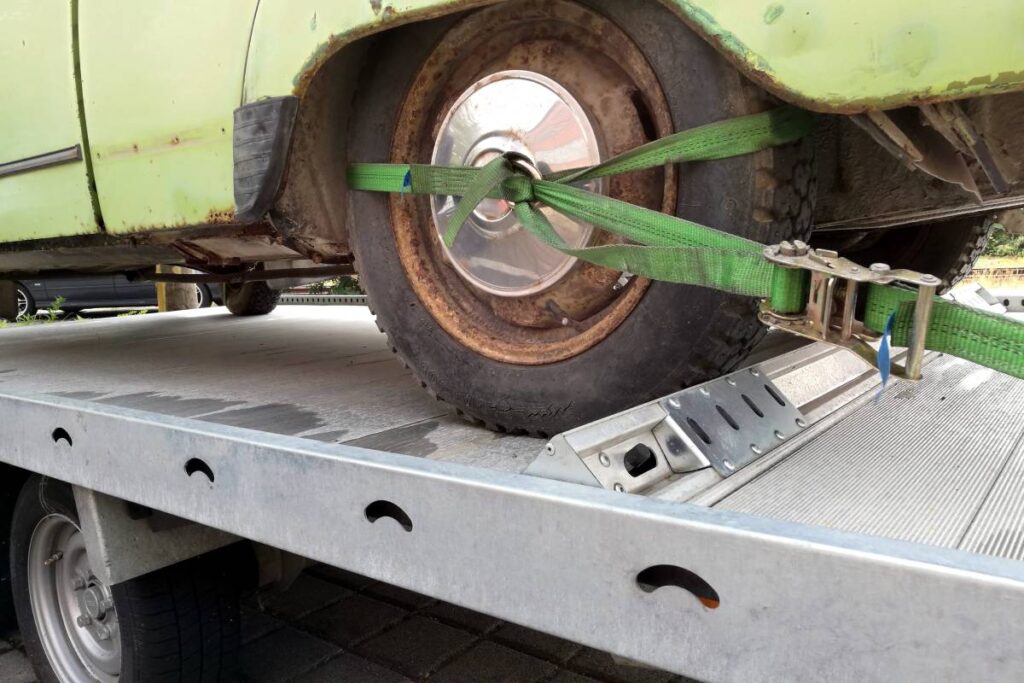
Steel is one of the most widely used materials for plant trailers because of its exceptional strength and durability. There are two primary types of steel used in trailer construction:
Mild steel is a cost-effective option, offering excellent strength and ease of fabrication. However, it is prone to rust if not properly coated or galvanized.
Galvanized steel features a protective zinc coating that prevents rust and corrosion. This makes it a more durable option than untreated mild steel, especially for long-term outdoor use.
Pros of Steel Trailers:
Cons of Steel Trailers:
Aluminium is gaining popularity as a material for plant trailers due to its lightweight and corrosion-resistant properties. Unlike steel, aluminium does not rust, making it ideal for long-term exposure to harsh environments.
Pros of Aluminium Trailers:
Cons of Aluminium Trailers:
Modern plant trailers sometimes incorporate composite materials, which combine elements of steel, aluminium, and synthetic polymers. These materials are engineered to balance weight, strength, and durability while minimizing maintenance requirements.
Pros of Composite Material Trailers:
Cons of Composite Material Trailers:
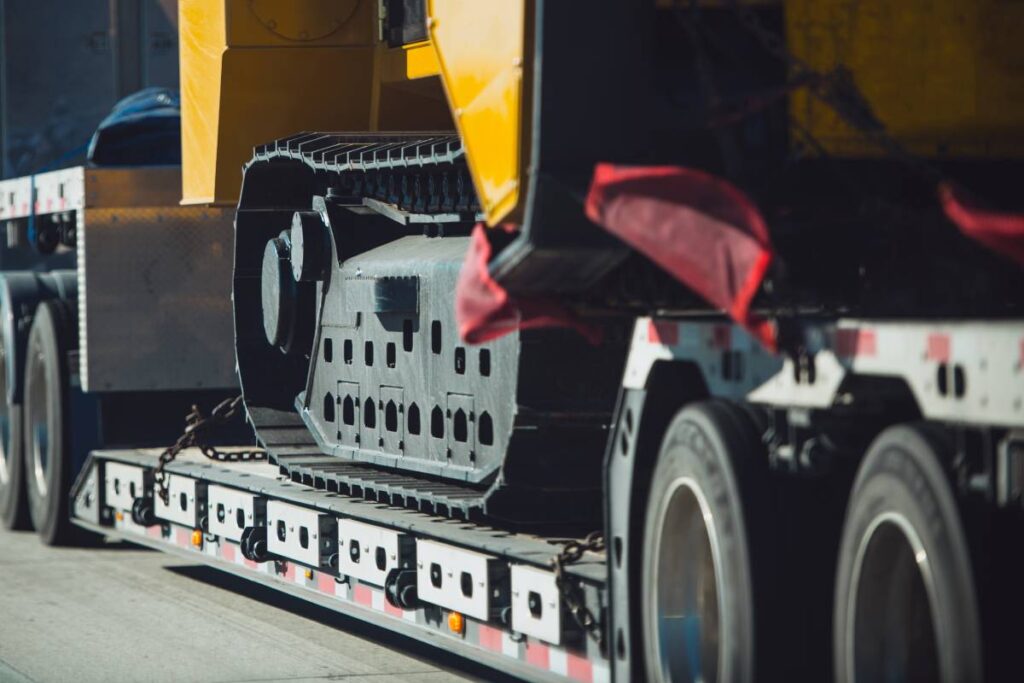
When deciding on the best material for a plant trailer, several factors come into play. These include the type of machinery you plan to transport, the distances you will travel, and your budget. Here is a detailed comparison based on different needs:
If you frequently transport extremely heavy machinery, steel is likely the best choice due to its superior strength and load-bearing capacity. Mild steel is cost-effective, but for added durability and rust prevention, galvanized steel is a better option. Steel trailers are particularly suited for demanding construction environments where strength is paramount.
If reducing towing weight and improving fuel efficiency are your priorities, aluminium is the best option. Its lightweight nature ensures that the trailer is easier to tow, reducing strain on the towing vehicle and lowering fuel consumption. Aluminium trailers are ideal for transporting lighter machinery or equipment.
Aluminium and composite material trailers are excellent choices for those seeking long-term durability and minimal maintenance. Aluminium’s natural corrosion resistance ensures it withstands harsh weather conditions, while composite materials offer a balance of strength and weight efficiency, making them suitable for a variety of applications.
Steel trailers are generally more affordable upfront, making them a popular choice for budget-conscious buyers. However, the maintenance costs associated with rust and corrosion can add up over time. Aluminium trailers have a higher initial cost but lower maintenance requirements, potentially saving money in the long run. Composite materials, while highly efficient, are often the most expensive option and may not fit every budget.
When selecting a plant trailer, quality and reliability should be top priorities. SureWeld, an Australian manufacturer known for its high-quality products, offers plant trailers that are designed to meet the needs of professionals who demand robust, lightweight, and high-performing equipment. SureWeld specializes in aluminium plant trailers, which provide an ideal combination of durability and weight efficiency.
Choosing the right material for a plant trailer depends on your specific needs, including the type of equipment you plan to transport, the distances you’ll travel, and the environmental conditions you’ll face. Here is a summary of the main considerations:
For professionals looking for a reliable and high-quality plant trailer, SureWeld’s aluminium plant trailers represent an excellent investment. With their Australian-made quality, corrosion-resistant construction, and efficient towing performance, SureWeld trailers are designed to deliver outstanding results. Whether you need a trailer for heavy-duty construction equipment or lightweight machinery, SureWeld’s range of products offers a solution tailored to your requirements.
When purchasing a plant trailer, always consider factors such as weight capacity, maintenance requirements, and the conditions in which it will be used. By selecting the right material and investing in a trusted brand like SureWeld, you can ensure long-term reliability and cost-effectiveness for all your transportation needs.